Integrating STEM Into Social Studies: Why Interdisciplinary Learning Matters
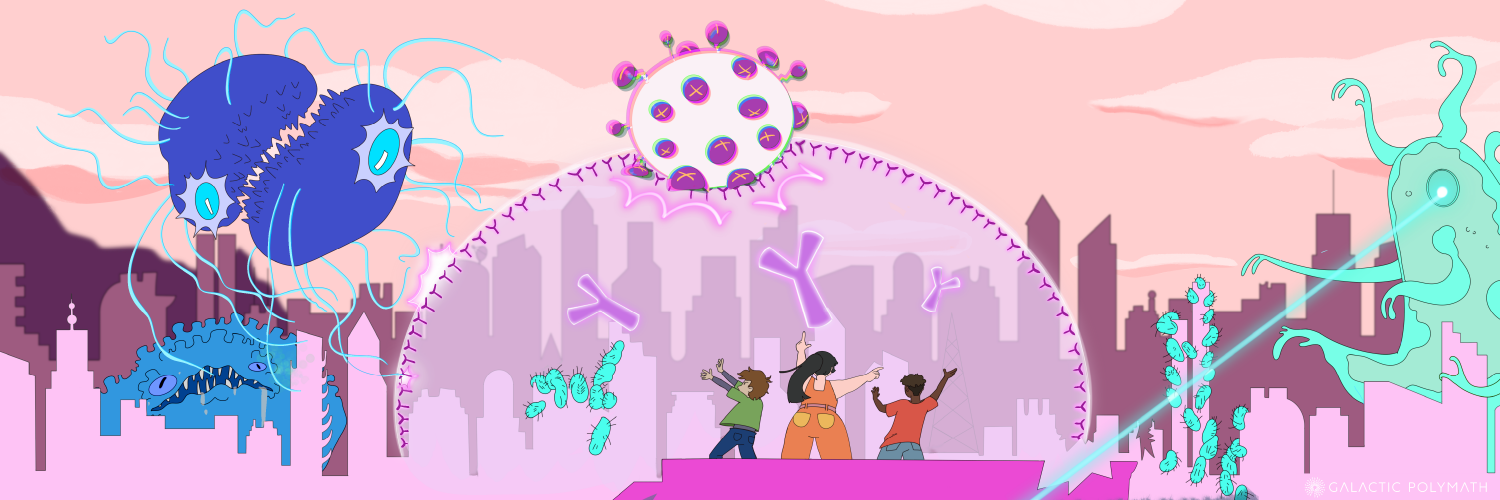
What is the role of STEM in a social studies classroom?
For some, STEM lessons may initially seem out of place in a curriculum focused on geography and history. But if we step back and consider a social studies classroom as a place where students study the evolution of society and the impact of human ingenuity and creativity, it becomes clear that a strong foundation in STEM is essential.
Furthermore, integrating STEM into social studies teaches something that students desperately need to understand in our rapidly changing world — that everything is connected. Social studies lessons aren’t isolated to the social studies classroom, and science lessons aren’t isolated to the science classroom. Humans are complex, and real-world problems require knowledge of many different disciplines.
This is one reason why interdisciplinary coursework is so valuable for students. Cross-curricular study in school prepares students to see complexity in the world around them.
Why Integrate STEM Into Social Studies?
Interdisciplinary learning helps students practice making connections, evaluating evidence from different perspectives, and thinking critically about complex problems.
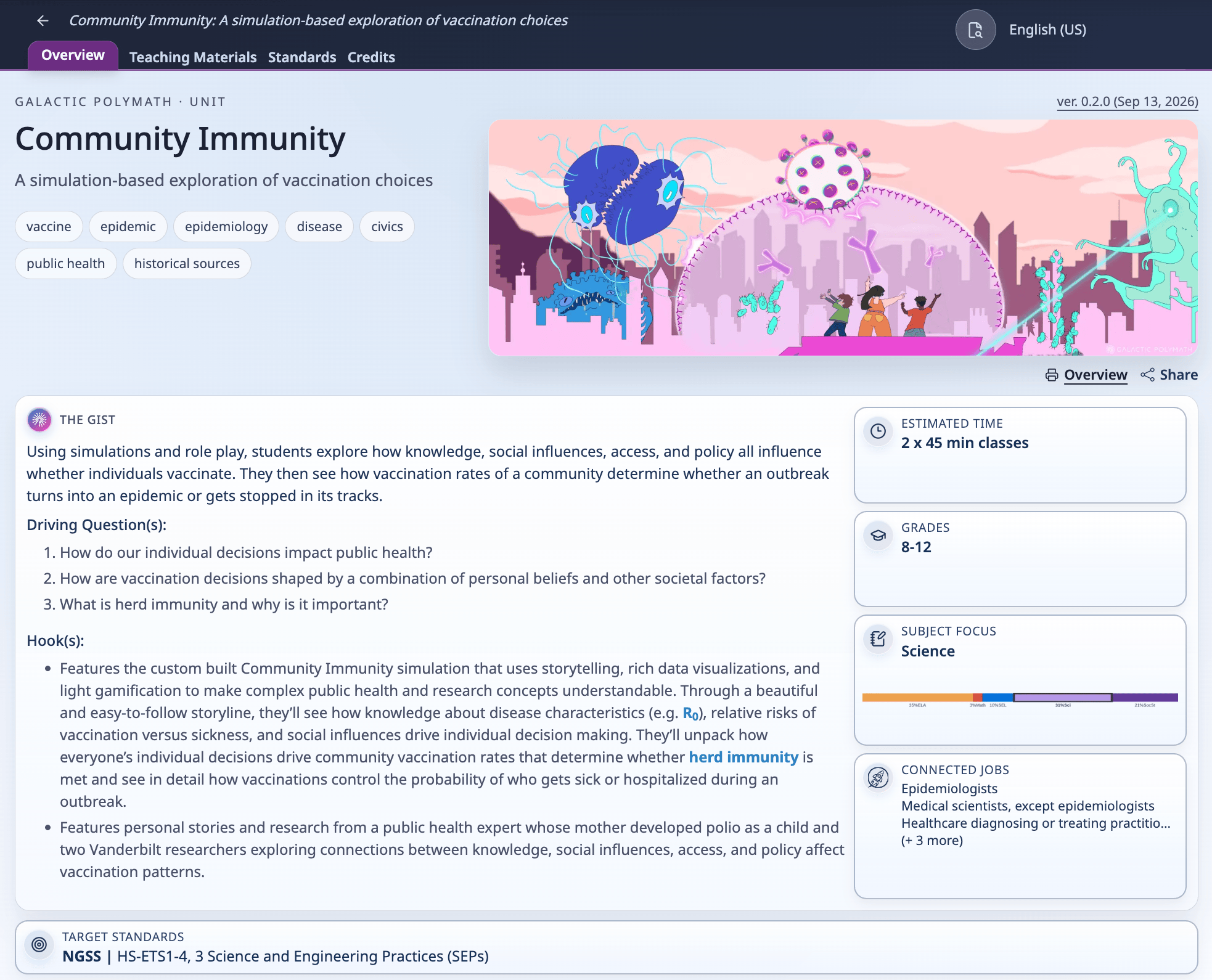
Real-world challenges rarely fit neatly within a single academic subject. Giving students opportunities to work across disciplines can better prepare them to understand how scientific, historical, civic, and social factors interact.
As a social studies teacher with sixteen years of classroom experience, I know that developing cross-curricular or interdisciplinary lessons can often seem daunting. At some schools, there are programs that are rooted in collaboration between departments.
But for teachers without that structure or support, where can you find resources that make interdisciplinary lessons feel more approachable? And how do you make cross-curricular connections relevant and meaningful for students?
The strongest interdisciplinary lessons do more than place two subjects next to each other. They give students a question or problem that genuinely requires them to think across disciplines.
Galactic Polymath’s new Community Immunity unit does exactly that.
Real-world challenges rarely fit neatly within a single academic subject.
An Interdisciplinary Social Studies Lesson About Vaccines and Public Health
Community Immunity is a two-lesson unit for students in grades 8-12 that intentionally connects science and social studies standards and explores the real-world topic of vaccination.
- How do our individual decisions impact public health?
- How are vaccination decisions shaped by a combination of personal beliefs and other societal factors?
- What is herd immunity and why is it important?
- D2.Civ.10.9-12: Analyze the impact and the appropriate roles of personal interests and perspectives on the application of civic virtues, democratic principles, constitutional rights, and human rights.
- D2.Civ.14.9-12: Analyze historical, contemporary, and emerging means of changing societies, promoting the common good, and protecting rights.
- D2.Civ.7.6-8: Apply civic virtues and democratic principles in school and community settings.
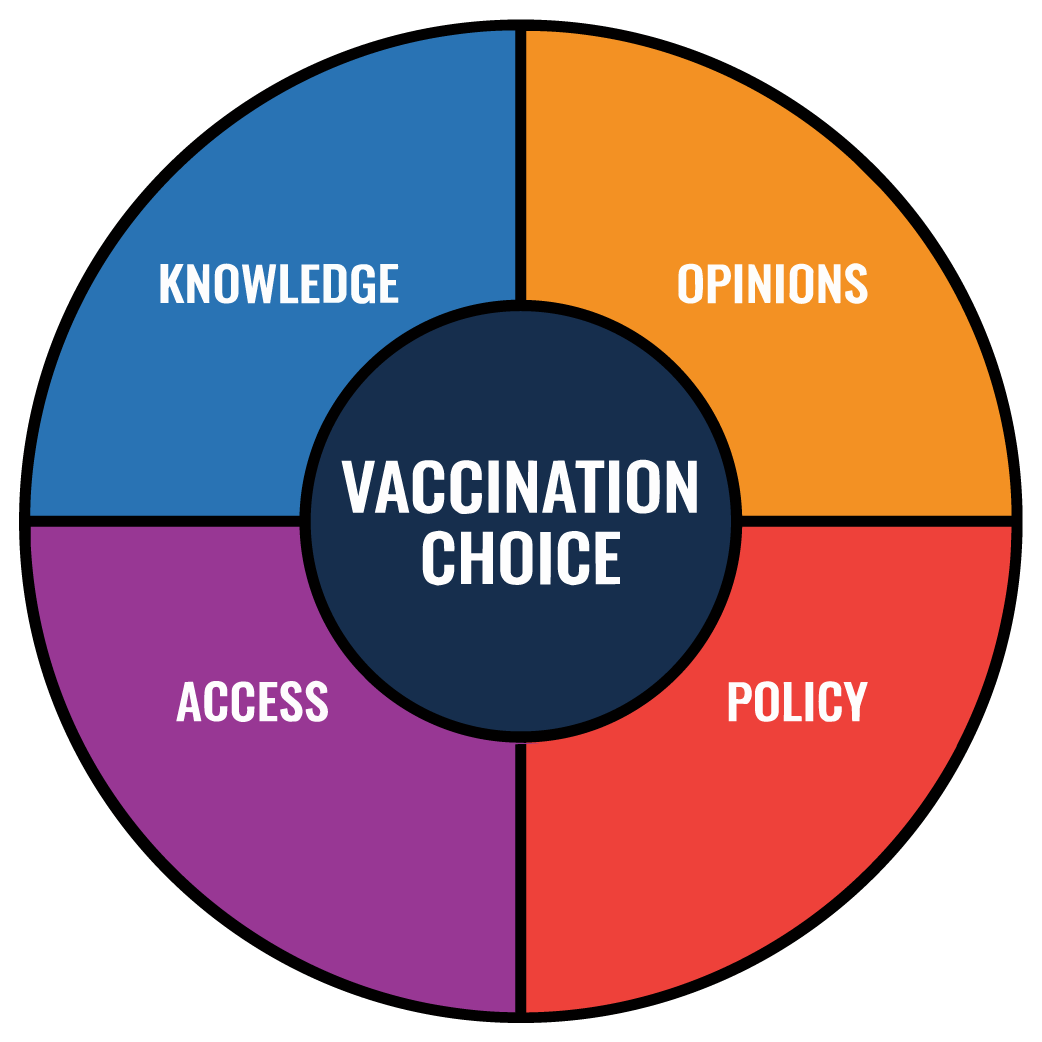
Inspired by the work of Dr. Nicole Creanza and Dr. Kerri-Ann Anderson at Vanderbilt University, the Community Immunity unit explores the varying factors that influence an individual’s vaccination decisions and how these individual decisions then collectively impact public health.
The Community Immunity unit brings STEM into the social studies classroom in a unique and engaging way. The first lesson provides students the opportunity to hear from real-world scientists, Dr. Creanza and Dr. Anderson, about their current work.
They then explore these concepts through the custom-built Community Immunity simulation, in which they take on the role of a parent deciding whether or not to vaccinate their child. Not only will students see that this process is more complex than it is often perceived, but they will also observe how their decisions impact the health of others in their fictional community.
Connecting Public Health and Civic Responsibility
It is a lesson packed with science, but it hits so clearly on the theme of civic responsibility, a concept woven throughout the social studies curriculum, everywhere from Ancient Greece to World War II. The social studies classroom seeks to help students explore the role of individuals in society both in the past and in the modern world.
What is the individual’s responsibility to society? Do we have responsibility to each other? And what are the implications of our answers to these questions? In a true cross-curricular learning moment, students have the opportunity to learn more about this concept from modern scientists.
This kind of science and social studies integration helps students see that concepts they study in civics and history are not confined to the past. They continue to shape decisions people make today.
Using Inquiry-Based Social Studies to Explore the Polio Era
Equipped with an understanding of Dr. Creanza and Dr. Anderson’s research, students then travel back to the 1950s as they embark on the unit’s second lesson. They will learn that this was the “polio era,” a time when polio cases grew to an epidemic level with devastating and tragic effects, especially for children.
They will also learn that it was in the early 1950s that Dr. Jonas Salk developed the polio vaccine, which was tested on children nationwide in the largest clinical trial in the history of the United States. In this way, students will be faced with a real historical example of the concepts they studied in Lesson 1.
As they move through this lesson, students will be tasked with answering the following driving question: Would you allow your child to participate in the 1954 polio vaccine trial?
Just as they did in the Community Immunity simulation, students are once again taking on the role of a parent who must weigh risks and make a decision. However, this time, rather than navigating through the simulation, students will turn to historical documents from the 1950s to help them make their decision. Using the social studies methodology emphasized in the C3 framework, students will analyze sources, assess their reliability, and synthesize the information to craft a response to the lesson’s driving question.
Rather than simply learning what happened during the development of the polio vaccine, students must think like historians.
How Inquiry-Based Learning Connects Science and History
As students complete this process, they will see something powerful— Dr. Creanza and Dr. Anderson’s research does not just speak to modern vaccination choices but helps us to understand the past as well. Science and social studies are indeed linked. Disciplines are indeed connected. And it is by thinking critically that students see this connection and gain a clearer understanding of our past and our present.
Interdisciplinary lessons prepare our students to understand the complexity of our human story, and it is for this reason that STEM lessons play an invaluable role in the social studies classroom.
Why Interdisciplinary Learning Matters
Real-world problems rarely belong to a single academic discipline.
Interdisciplinary lessons like Community Immunity prepare students not simply to remember information, but to ask questions, analyze evidence, make connections, and think critically about the human story.
Science and social studies are connected because the world itself is connected.
And when students learn to see those connections, they gain a clearer understanding of both our past and our present.
Ready to bring interdisciplinary, inquiry-based learning into your classroom?
Explore Galactic Polymath’s Community Immunity unit for grades 8-12 and help students investigate the connections between vaccination, public health, history, and civic responsibility.
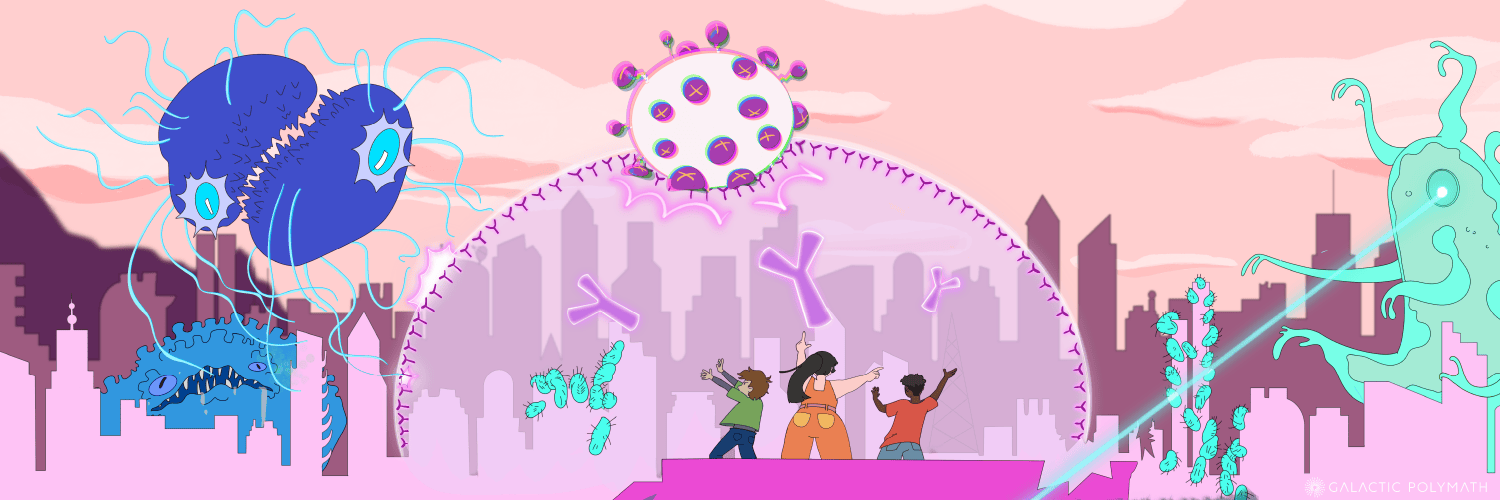
Community Immunity
A simulation-based exploration of vaccination choices
 logo](https://storage.googleapis.com/gp-cloud/lessons/Vaccines_en-US/Tiny-NSF_logo.png)
Using simulations and role play, students explore how knowledge, social influences, access, and policy all influence whether individuals vaccinate. They then see how vaccination rates of a community determine whether an outbreak turns into an epidemic or gets stopped in its tracks.

Frequently Asked Questions About Integrating STEM Into Social Studies
-
Teaching STEM in social studies helps students understand how science, technology, engineering, and mathematics shape societies over time. Topics such as public health, transportation, industrialization, climate, warfare, and communication cannot be fully understood through a single discipline. Integrating STEM into social studies helps students make connections between scientific developments, human decisions, and their effects on communities.
-
Teachers can integrate STEM into social studies by building lessons around real-world questions that require students to draw on more than one subject. For example, students might use scientific research alongside historical sources, analyze data connected to a civic issue, or investigate how a technological development changed society. The strongest interdisciplinary lessons make the connection between subjects necessary to answering the central question rather than simply teaching two topics side by side.
-
Science and social studies are connected because scientific discoveries and decisions have social, historical, political, and economic consequences. Public health is one clear example. Understanding a disease or vaccine requires scientific knowledge, while understanding how communities respond involves history, civics, culture, policy, and individual decision-making. Studying both perspectives gives students a more complete understanding of real-world issues.
-
Interdisciplinary learning is an approach that connects ideas, skills, and methods from two or more subject areas. Instead of treating science, history, civics, mathematics, and other disciplines as completely separate, students use knowledge from multiple fields to investigate a question or solve a problem. In social studies, interdisciplinary learning can help students recognize the complexity behind historical events and contemporary issues.
-
Interdisciplinary learning helps students practice making connections, evaluating evidence from different perspectives, and thinking critically about complex problems. Real-world challenges rarely fit neatly within a single academic subject. Giving students opportunities to work across disciplines can better prepare them to understand how scientific, historical, civic, and social factors interact.
-
Civic responsibility refers to the role individuals play within their communities and society. In the classroom, questions of civic responsibility can encourage students to consider how personal decisions affect other people, what responsibilities individuals may have to their communities, and how societies balance individual choices with collective needs.
-
Vaccines provide a useful interdisciplinary case study because vaccination involves both scientific understanding and questions about individual and community decision-making. Students can examine how vaccination decisions affect public health while also exploring broader civic questions: How do individual choices affect others? What responsibilities do people have within a community? And how have people answered those questions differently across time?
Galactic Polymath’s Community Immunity unit uses these connections to help students explore vaccination through science, history, public health, and civic responsibility.