


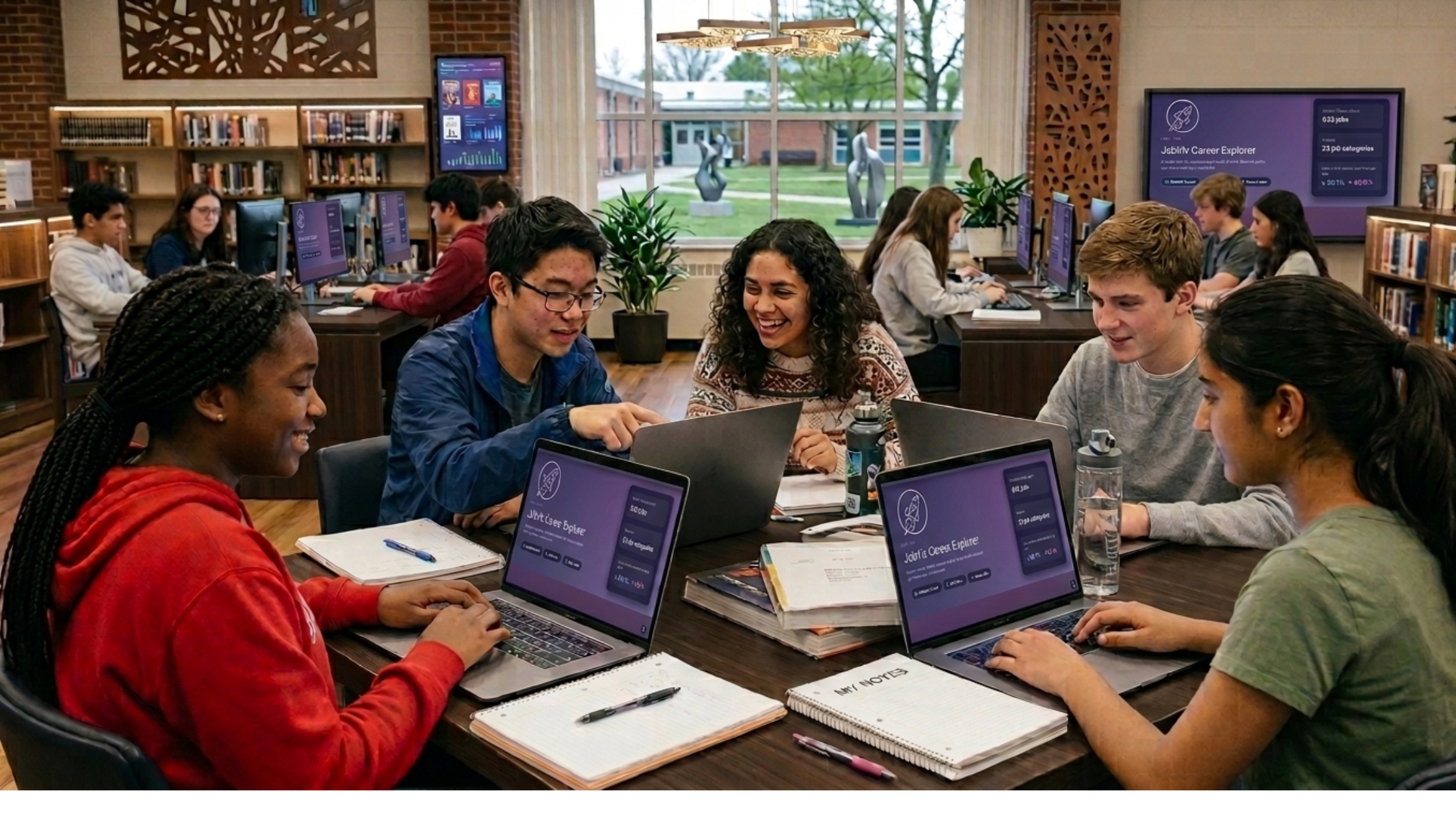
Career Exploration for Students: Answering “Why Do I Need to Know This?”
Most students only know a fraction of the careers that exist in today’s economy. Their understanding is often shaped by what they see at home, online, or in the media.
But the modern workforce is filled with careers that many students have never even heard of.
That’s where meaningful career-connected learning can make a powerful difference, and that’s where JobViz comes in.
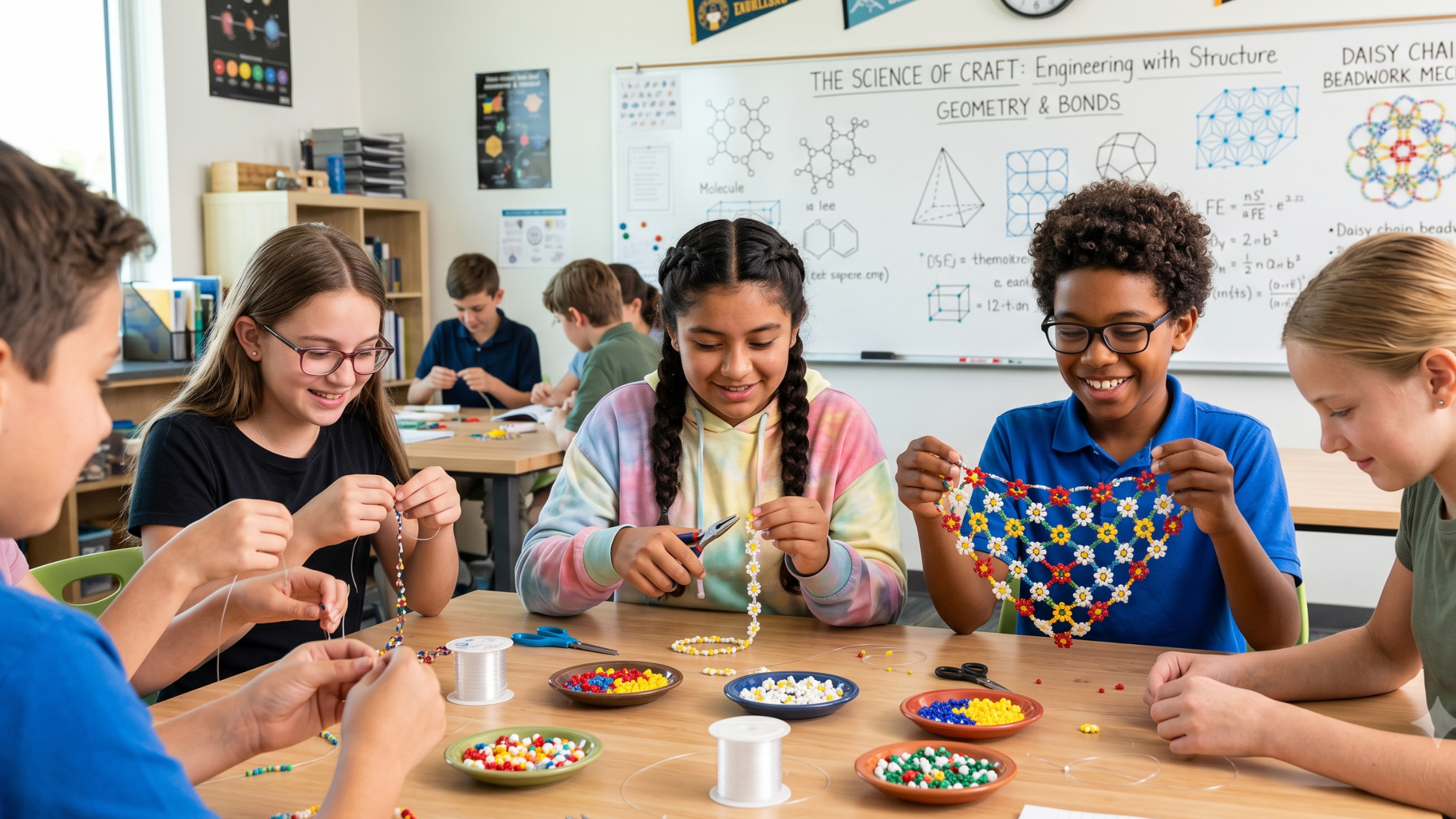
Bringing Research to Life: Turning Research into Classroom-Ready STEM Lessons
Teachers are asked to bring complex, real-world ideas into their classrooms, often without the time or resources to make those ideas truly engaging and accessible for students.
That’s where classroom-ready, research-based lessons can make a real difference.
At Galactic Polymath, we provide free STEM lesson plans for K-12 classrooms that translate cutting-edge research into engaging, inquiry-based learning experiences. Our goal is to make high-quality STEM education both accessible and meaningful for teachers and students.

How to Read a Graph: A Simple Data Literacy Framework for K-12 Classrooms (PPSTT)
In the Information Age, data literacy is literacy. Students see graphs everywhere in class, in the doctor’s office, when trying to make healthcare or financial decisions. Yet there are big gaps in the way students are prepared to make informed decisions and flourish in a flood of data.
One of the most important skills is learning how to read a graph. From elementary classrooms to high school and beyond, students need to be able to interpret graphs, analyze patterns, and make sense of data.
However, many students struggle with reading graphs and developing strong data interpretation skills. What students need is a clear, consistent process for what to do when they encounter a graph.
This is where a simple data literacy framework can make all the difference.
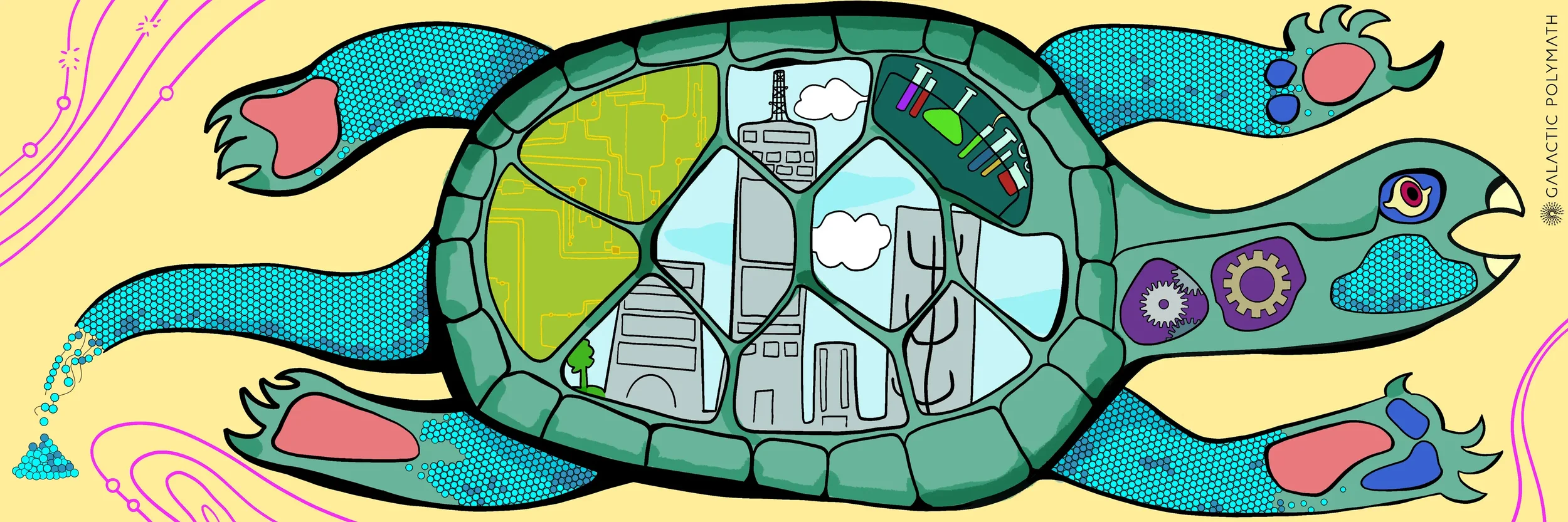
Culturally Responsive STEM Curriculum: Indigenous Beadwork STEM Activities for Middle School
What do students think of when they think of scientists or engineers?
Stereotypes about the faces behind the research come from everywhere: popular media, teachers’ offhand comments, even the images in a science textbook.
Together, these messages build an image in students’ minds of STEM professionals as a determined cog in a well-established machine – in other words, nothing like them.
That’s why culturally responsive STEM education is so important, especially in middle school STEM classrooms, while identity and confidence are developing.
Filter by Tag:
- About GP
- AI
- animal communication
- Balancing Act
- bioacoustics
- Bioinspired
- Career Exploration
- climate action
- climate literacy
- collective behavior
- complexity
- critical thinking
- CTE
- cultural responsiveness
- Culturally Responsive Teaching
- Data Literacy
- data literacy
- education
- emergence
- Engineering
- entomology
- evolution
- flocking
- food literacy
- Founder
- free apps
- Geometry
- geometry
- hands-on learning
- interdisciplinary
- Math
- murmurations
- myrmecology
- nature of science
- NGSS
- Outreach
- PacificH2O
- scicomm
- scientific method
- Scientist
- SciJourneys
- SEP
- sound analysis
- spectrogram
- STEAM
- STEM
- sustainability
- systems thinking
- teachers
- tech integration
- Workforce Development Curriculum